



















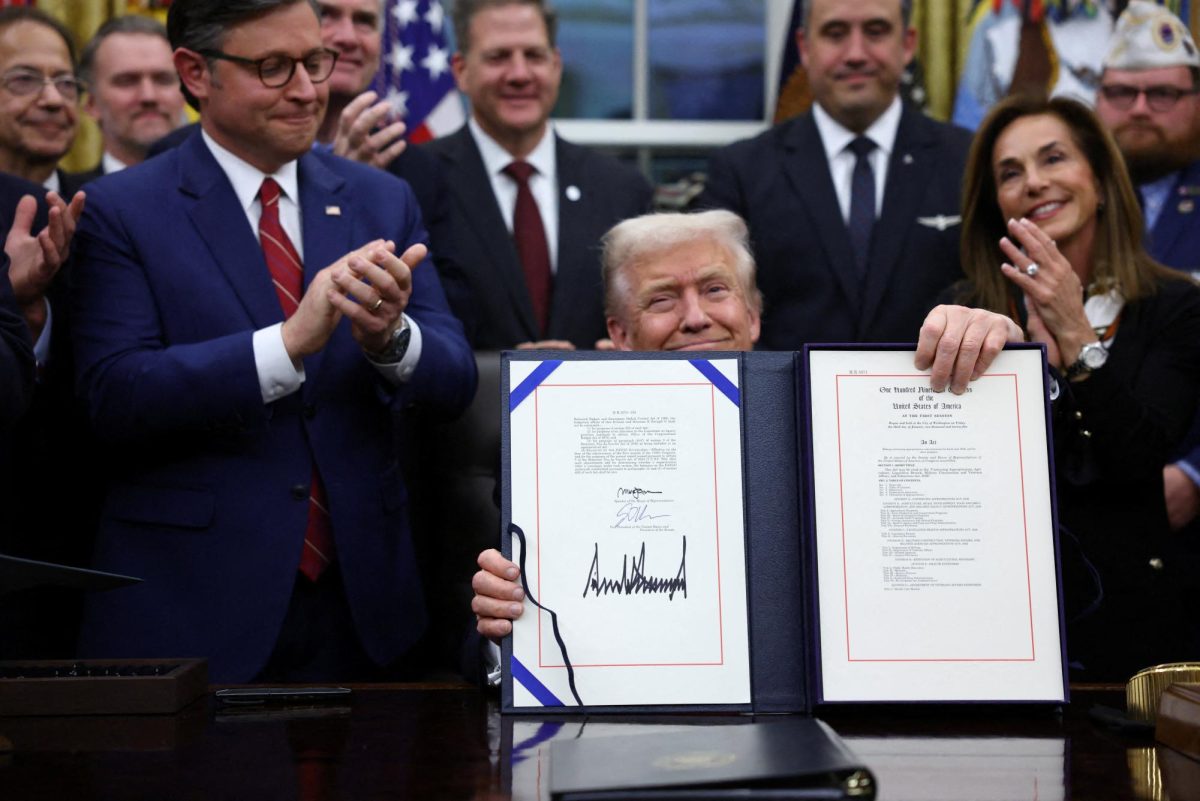
On October 1, 2025, the U.S. government officially shut down due to lawmakers’ failure to resolve a budget deadlock. This shutdown has forced 750,000 employees into unpaid leave. After 43 days, the shutdown ended when eight Democrats crossed the aisle.
During government shutdowns, administrations limit spending flexibility by only funding programs that the President deems essential. Programs that are not on the list are no longer funded for the duration of the shutdown. Funds may also be reallocated to operations that are seen as more critical.
Medicare and Medicaid will continue to be covered, but due to the shutdown, there is a high chance of longer wait times on calls and other services. The Social Security Administration, which handles Medicare cards, does not hand out new cards during government shutdowns; they are accessible to print online.
Things like WIC, eWIC, and SNAP, programs that provide nutritious food to those who can’t afford it on their own, are at risk of losing funds and being forced to close the longer this continues.
Although this shutdown ended, another looms ahead. The passed and signed bill funds the government until the end of January and extends SNAP; women, infants, and children’s benefits, WIC, the Department of Veterans Affairs and Congress through September 2026. The bill also increases security funding for members of Congress, executive branch officials, judges and Supreme Court justices.